NCERT Solutions • Class 6 Social Science (Exploring Society) |
Chapter-wiseExploring Society India and Beyond Class 6 Solutionsand Class 6 Social Science SST Chapter 8 Unity in Diversity, or ‘Many in the One’ Question Answer NCERT Solutions are useful for focused study.
Unity in Diversity, or ‘Many in the One’ NCERT Class 6th SST Chapter 8 Question Answer
Unity in Diversity, or ‘Many in the One’ Class 6 Questions and Answers
The Big Questions (Page 125)
Question 1
|
Question 2
|
Here are some of the most notable aspects:
1. Linguistic Diversity
Religious Diversity
3. Ethnic and Cultural Diversity
4. Culinary Diversity
5. Geographical Diversity
6. Art and Architecture
7. Traditional Clothing
Varied Attire: Traditional clothing varies widely across regions. Examples include sarees and dhotis in the south, salwar kameez in the north, and lehengas in the west.
8. Customs and Traditions
These aspects of diversity make India a unique and vibrant nation, where different ways of life coexist, contributing to the country’s rich cultural mosaic.
Question 3
Solution:
The unity underlying India’s diversity can be understood through several key factors and characteristics that bind the nation together despite its multifaceted nature:
|
Constitutional Framework:
2. National Symbols
3. Cultural Interactions
4. Economic Interdependence
5. Media and Entertainment
6. Shared Historical Heritage
7. Legal and Social Frameworks
8. Common Challenges and Aspirations
In summary, despite its immense diversity, India’s unity is maintained through a combination of constitutional principles, national symbols, cultural exchanges, economic interdependence, political structures, and shared values and aspirations. These elements create a strong sense of national identity and cohesion.
Let’s Explore
Question 1
Solution:
Do it yourself.
|
Question 2
|
Question 3
|
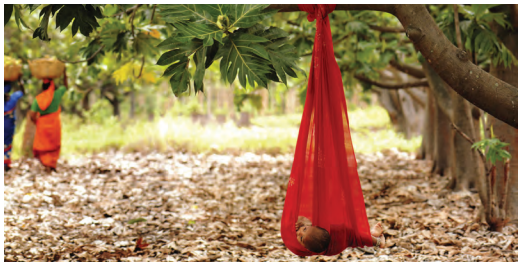
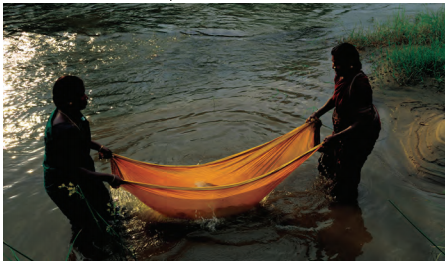
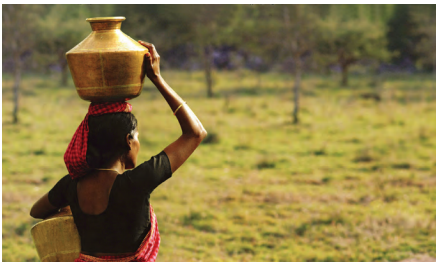
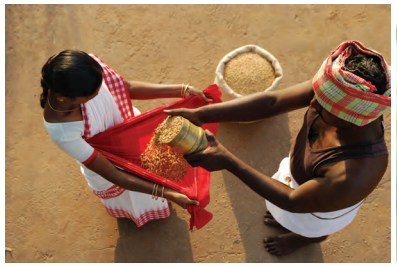
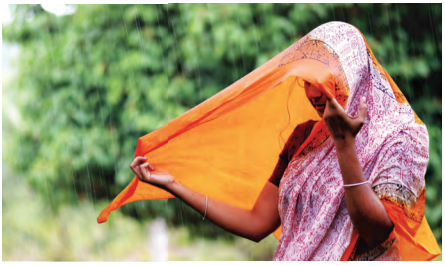
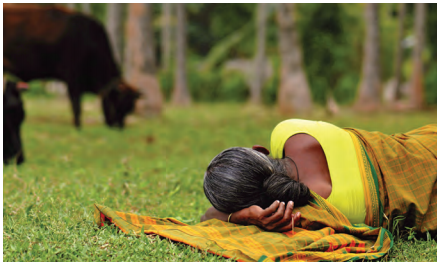
Question 4
|
Question 5
|
Few different names are Lungi, Dhoti or Dhuti, in Northern part of Bharat. Other names/styles are Dhotar in Maharashtra, Mekhela in Assam, Mundu in Kerala and Veshti in South India.
In conclusion, the dhoti, like the sari, is a versatile and culturally significant garment in India. It is adaptable to various occasions, from daily wear to formal events and religious ceremonies. The choice of fabric (cotton, silk) and the style of wearing the dhoti differ across regions, reflecting local customs, climate, and cultural preferences. This diversity highlights the rich cultural tapestry of India, where traditional attire continues to play a vital role in everyday life and special occasions.
Question 6
|
Dussehra (Vijayadashami)
3. Navratri
4. Bhai Dooj (Bhaiya Dooj)
5. Chhath Puja
Celebrated mainly in Bihar, Jharkhand, and Uttar Pradesh with growing popularity in other regions.
6. Govardhan Puja
In conclusion, the festival season in India during October- November showcases the country’s rich cultural diversity. Each festival has its unique customs, rituals, and regional variations. Despite these differences, the essence of joy, devotion, and community bonding remains a unifying thread across the celebrations. Again showing our unity in diversity.
Questions, Activities and Projects (Page 136)
Question 1
Solution:
Students do it yourself with the help of teacher.
|
Question 2
|
Celebrating Diversity: The anthem doesn’t shy away from showcasing India’s vibrant tapestry. Phrases like “Punjab Sindh Gujarat Maratha” and “Dravida Utkal Banga” paint a picture of a land where diverse regions and languages coexist. It mentions the majestic Himalayas, the life-giving rivers like the Ganga and the Yamuna, and the bountiful Indian Ocean, highlighting the geographical vastness and varied landscapes. This celebration of diversity fosters a sense of shared identity amongst all Indians, regardless of their background.
Unifying Threads: Despite the multitude of cultures and languages, the anthem emphasizes a sense of national unity. Words like “sindhu-sagar” (sea of Sindhu) and “Himachal-dravida” (Himalayas and Dravidian lands) create a sense of geographical and cultural integration.
The anthem addresses India as “bharat bhumi” (land of Bharat), a unifying term for the nation. Phrases like “jaya he” (victory to thee) and “jan-gana-mangal” (welfare of the whole people) evoke a collective spirit of patriotism and a shared aspiration for the nation’s progress.
In conclusion, the national anthem serves as a powerful symbol of India’s “unity in diversity.” It celebrates the rich tapestry of cultures and regions while simultaneously invoking a strong sense of belonging to one nation. The anthem serves as a reminder that India’s diversity is not a weakness, but a beautiful melody that creates a symphony of unity and national pride.
Question 3
|
Story 2: The Tortoise and the Geese
Message: The value of silence and the dangers of unnecessary talk. This is relevant in the modern context where discretion is often a virtue.
Similar Stories: In my region, there is a story of a clever rabbit outwitting a lion, similar to the Panchatantra’s tales of wit and intelligence. These stories teach moral lessons that are applicable across time and cultures.
Question 4
|
Savitri and Satyavan (Satara District):
Note: Similarly students can find folk tales from their region, read them and understand the moral of the story.
Question 5
Solution:
The Panchatantra stories have been a rich source of inspiration for artists for centuries. Here’s an example:
|
Question 6
|
In conclusion, Jawaharlal Nehru’s insightful observation offers a glimpse into the enduring power of India’s cultural heritage. Epics like the Ramayana and Mahabharata, along with oral traditions, have profoundly shaped the values and identities of generations. By discussing this quote, we can gain a deeper appreciation for the rich tapestry of Indian culture and how it continues to influence the lives of people today.
Class 6 Social Science Question Answer
CBSE 2026-27 Board Exam Preparation & Practice Papers
Free Chapter Notes & Question Bank by BoardExams.in