NCERT Solutions • Class 6 Social Science (Exploring Society) |
Chapter-wiseExploring Society India and Beyond Class 6 Solutionsand Class 6 Social Science SST Chapter 7 India’s Cultural Roots Question Answer NCERT Solutions are useful for focused study.
India’s Cultural Roots NCERT Class 6th SST Chapter 7 Question Answer
India’s Cultural Roots Class 6 Questions and Answers
The Big Questions (Page 105)
Question 1
|
Question 2
|
Question 3
|
Tribal cultures, like Hinduism, believe in a higher deity or supreme entity. Interaction between tribal, folk, and mainstream Hindu ideas has resulted in mutual enrichment, making tribal and folk traditions a crucial element of India’s cultural heritage.
Let’s Explore
Question 1
|
People take part in the political process, that gives them a sense of ownership and responsibility. In a democracy people’s freedom and their human rights are upheld, ensuring that citizens have a voice in governance. In such a set-up of governance transfer of power is peaceful through regular, free, and fair elections.
If people have to live under leaders that they do not choose, leaders may not reflect the will or interests of the people and they might act in their own interests rather than those of the public. People may feel disconnected from the political process.
Question 2
|
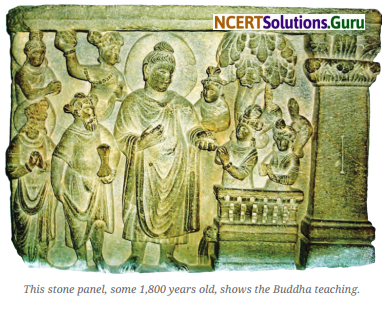
Question 3
|
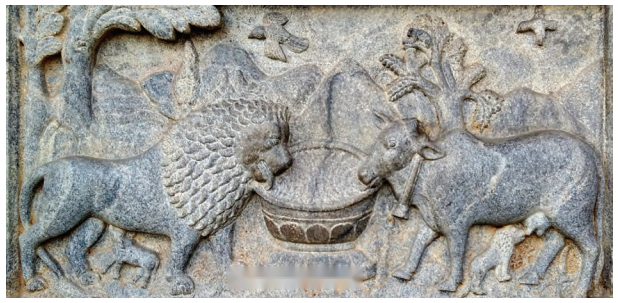
Think About it
Question 1
|
Questions, Activities and Projects (Page 123)
Question 1
|
Question 2
|
The Eightfold Path is a practical path for ethical and mental development that aims to free individuals from attachments and delusions, resulting in understanding, enlightenment and the end of suffering. The notion of karma highlights the significance of one’s deeds and their impact on future lives. These teachings promote compassion, mindfulness, and ethical conduct.
Question 3
|
Question 4
|
Anekantavada teaches that truth and reality are complex and can be perceived from different perspectives, encouraging tolerance and understanding. Aparigraha promotes detachment from material possessions and desires, fostering a simple and content life.
These principles guide Jains towards ethical living, spiritual development, and harmonious coexistence with all forms of life, highlighting the religion’s commitment to compassion, humility and self-restraint.
Question 5
|
Question 6
|
Question 7
|
True or False
Question 1
|
Question 2
|
Question 3
|
Question 4
|
Question 5
|
Question 6
|
Question 7
|
Class Activity
Question 1
|
CBSE 2026-27 Board Exam Preparation & Practice Papers
Free Chapter Notes & Question Bank by BoardExams.in