NCERT Solutions • Class 7 Social Science (Exploring Society) |
Students can keepExploring Society India and Beyond Class 7 Solutionsand Class 7 SST Part 2 Chapter 7 Infrastructure: Engine of India’s Development Question Answer NCERT Solutions handy for quick reference during exams.
Infrastructure: Engine of India’s Development Questions and Answers Class 7 SST Part 2 Chapter 7
Infrastructure: Engine of India’s Development Class 7 Question Answer (In-Text)
The Big Questions (Page 169)
Question 1
|
During the British period, basic roads, trade routes, and railways were mainly built for trade and transport. After independence, highways, bridges, and railway networks expanded, connecting towns, cities, and villages. In modern times, metro systems, airports, renewable energy projects, and high-speed trains have made infrastructure faster, more efficient, and technology-driven.
Question 2
|
Modern communication, like the internet and phones, allows students in distant regions to study online and citizens to use e-governance services. Infrastructure also supports disaster relief, public safety, and reliable access to electricity and water, making life easier and more convenient. It creates jobs and ensures quick responses during emergencies, making communities more secure, comfortable, and economically active.
Question 3
|
Let’s Explore
Question 1
|
Question 2
|
Question 3
|
To make my school more eco-friendly, I will use separate bins for recyclable and biodegradable waste, help plant more trees and maintain the gardens, and encourage my friends to walk or cycle instead of using private vehicles. I will also switch off lights and fans when they are not needed and avoid using plastic. All these steps together will help make the school greener, cleaner, and more environment friendly.
Question 4
|
Think About It
Question 1
|
Specifically, the absence of key infrastructure would mean:
Question 2
|
Question 3
|
Impact on Work:
Impact on Learning:
Question 4
|
Completely Invisible:
Question 5
|
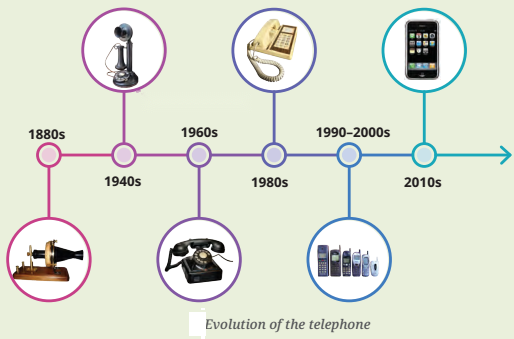
In addition, the large number of users, with over 1,160 million mobile subscribers and nearly 900 million internet connections in 2025, allows service providers to offer mobile and internet services at much lower rates.
Question 6
|
Question 7
|
It supports society in several ways:
Infrastructure: Engine of India’s Development Class 7 Solutions (Exercise)
Question 1
|
Additionally, better roads have supported local businesses by allowing goods and people to move more efficiently, contributing to the economic growth of the area. If I could build something for the community, I would construct a community health centre, which would provide easy access to medical care, ensure timely treatment during emergencies, and promote the overall health and wellbeing of everyone in the area.
Question 2
|
Indirectly, improved infrastructure benefits local businesses, tourism, and trade. Farmers, shopkeepers, and small-scale manufacturers can transport their goods more efficiently, leading to higher incomes. People also gain better access to education, healthcare, and markets, improving overall living standards.
Question 3
|
Question 4
|
Question 5
|
Consequences of damages being done to public infrastructure reduces ease of living for people and becomes a burden for every citizen. Historically, texts like the Arthashastra suggested severe penalties and fines for individuals who damage public property, such as breaking street lights or obstructing paths.
Question 6
|
(a) Transportation
A factory must receive raw materials and send out finished goods, so it needs good roads, highways, and railways for cargo. For international trade, access to ports and cargo airports is important. These systems help goods move quickly and efficiently.
(b) Utilities and Energy
A steady supply of electricity is essential to run machines. Factories also need clean water pipelines for workers and for certain processes. Using clean energy like solar power makes operations more sustainable.
(c) Communication
Modern factories depend on strong internet and communication networks. Good connectivity helps with logistics, market research, and selling products online. It allows managers to track prices, plan production, and reach customers globally.
(ii) Self-cleaning roads, underground highways, and high-speed bullet trains could be part of a futuristic city! Imagine the kind of infrastructure that would be required in the future that could help ease the lives of the people and communities in your city, town or village for various day-to-day functions.
Answer:
(Suggested answer) A futuristic city would use smart and clean infrastructure to make life easier. Highspeed trains and self-cleaning roads would help people travel faster and with less pollution. Everyone would have instant internet access, making services and communication much simpler. The city would run on clean energy like solar power, with smart systems to manage water and waste. Strong, disaster-ready roads and communication networks would keep people safe during emergencies.
(iii) Think about upgrades to the infrastructure near you, considering the terrain of your area, such as coastal, mountainous, plains, etc., and the type of natural calamities your region is prone to.
Answer:
(Suggested answer) Upgrading infrastructure depends on the terrain and the natural disasters an area faces.
(iv) If you could design a new railway or metro station, what would it look like and what features would you add to make it more fun and comfortable for the passengers?
Answer:
(Suggested answer) If I were designing a new railway or metro station, I would make it modern, sustainable, and comfortable for everyone. The station would use ecofriendly architecture with plants and natural materials, and it would run on clean solar energy. It would connect smoothly with buses and highways for easy travel.
Inside, the station would have wide, accessible paths, ramps, and seating for children, the elderly, and people with disabilities. Fast Wi-Fi and clear digital displays would help passengers get real-time information. There would be clean food stalls and an efficient waste-management system to keep the space tidy. Overall, the station would be safe, green, and enjoyable for all travellers.
Question 7
|
CBSE 2026-27 Board Exam Preparation & Practice Papers
Free Chapter Notes & Question Bank by BoardExams.in