NCERT Solutions • Class 7 Social Science (Exploring Society) |
Students can keepExploring Society India and Beyond Class 7 Solutionsand Class 7 Social Science SST Chapter 6 The Age of Reorganisation Question Answer NCERT Solutions handy for quick reference during exams.
Class 7 Social Science Chapter 6 Question Answer The Age of Reorganisation
NCERT Class 7 Social Science Chapter 6 The Age of Reorganisation Questions and Answers Solutions
The Age of Reorganisation Class 7 Question Answer (In-Text)
The Big Questions? (page 117)
Question 1
|
Question 2
|
These values show a balance of political power and spiritual ethics in governance.
Question 3
|
Their assimilation led to a rich cultural confluence, where ideas, languages, art, and religious practices from different parts of the world merged with Indian traditions.
Let’s Explore (Page 118)
Question 1
|
Question 2
|
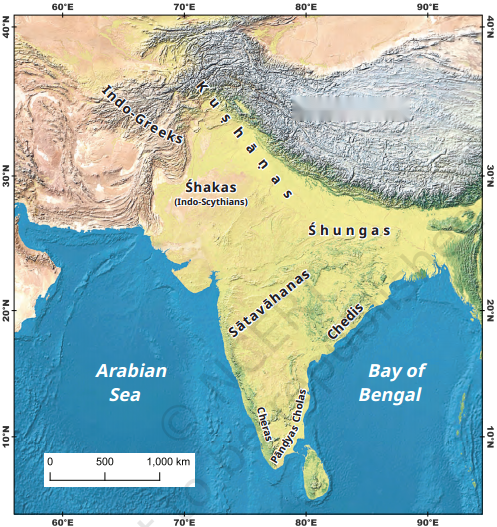
Question 3
|
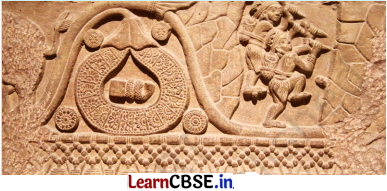
Question 4
|
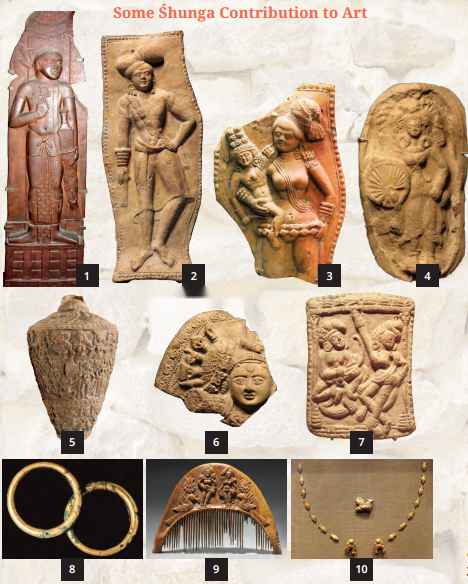
Clothes:
Jewellery:
Other objects of daily use:
The images suggest a vibrant urban society with a variety of occupations and lifestyles. There is a clear sense of cultural richness, aesthetic sensibility, and a developed economy with access to luxury and utility items.
Question 5
|
Question 6
|
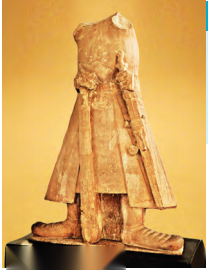
Question 7
|
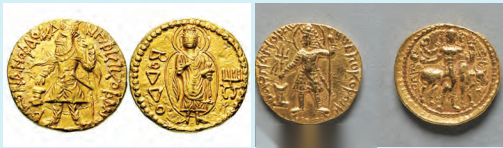
Question 8
|
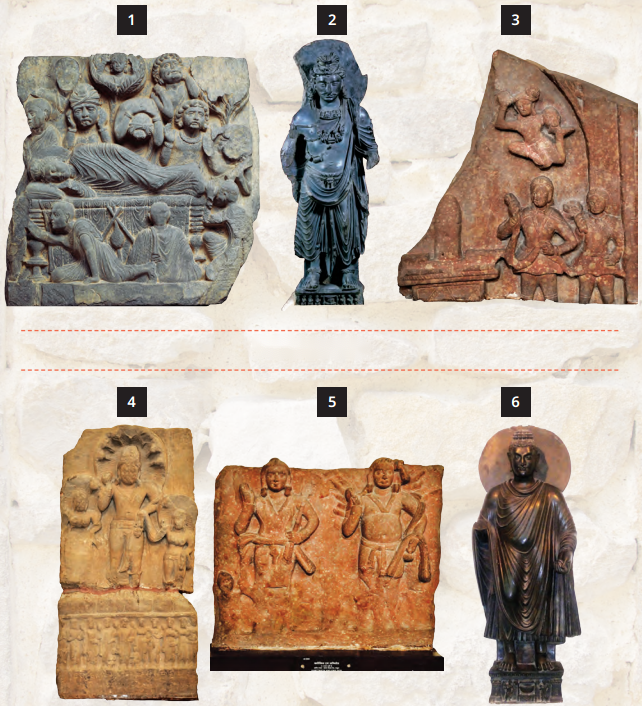
Think About It
Question 1
|
Question 2
|

Numerals that look somewhat like modern numerals:
Numerals that do not look like modern numerals:
Question 3
|
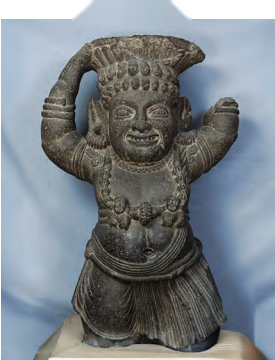
Question 4
|
Artisans had deep knowledge of how to use basic tools like chisels, hammers, and picks effectively. Skills were passed down through generations, and artisans likely trained for years to develop expertise. With constant practice, they could estimate measurements with accuracy by eye. Large structures would be carved by teams of skilled workers, guided by experienced supervisors or master sculptors.
If I were a sculptor in that era, I would use:
Question 5
|
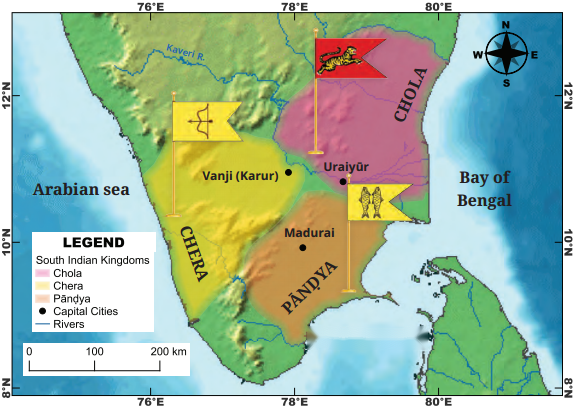
These may include:
These symbols highlight unique identities in the following ways:
Question 6
|
Question 7
|
Inscriptions and Writings: Inscriptions on stone, copper plates, and temple walls sometimes mention gifts, merchants, and trade routes. Foreign travelers’ accounts, like those of Greek, Roman, Chinese, or Arab visitors, describe Indian goods, ports, and trading customs.
Coins and Currency: The discovery of foreign coins in India (e.g., Roman coins in Tamil Nadu) suggests active trade links with Rome and other regions. The type of metal and inscriptions on coins provide clues about the origin and value of traded goods.
Literary Sources: Ancient texts like the Sangam literature, Jataka tales, or foreign books like the Periplus of the Erythraean Sea mention ports, traders, and exported/imported items. Art and Sculptures: Murals and carvings (like those in Amaravati or Bharhut) depict ships, merchants, markets, and exotic animals, hinting at vibrant trade connections.
Question 8
|
Pandyas’ Concern for Welfare and Beliefs: Inscriptions show that the Pandya kings were not only traders and warriors but also compassionate rulers who cared for their people. They promoted religious tolerance, encouraging various schools of thought and belief, showing that their society was diverse and open-minded. Their emphasis on public welfare and cultural support helped create a stable and prosperous society, boosting economic and cultural exchanges.
Question 9
|
Gandhara does remind us of a key character from the Mahabharata Gandhari, the queen of Hastinapur and mother of the Kauravas. She was the princess of Gandhara, and her name reflects her origin. This historical connection between a region and an epic character shows how ancient kingdoms influenced not only politics but also literature and cultural memory.
CBSE 2026-27 Board Exam Preparation & Practice Papers
Free Chapter Notes & Question Bank by BoardExams.in